
Reveal the Structure. Shape the Future.
Structural Intelligence for consequential problems — where local decisions, failures and constraints can become systemic consequences. We reveal what is actually driving the system, map where power and leverage reside, and engineer the conditions for a different future.
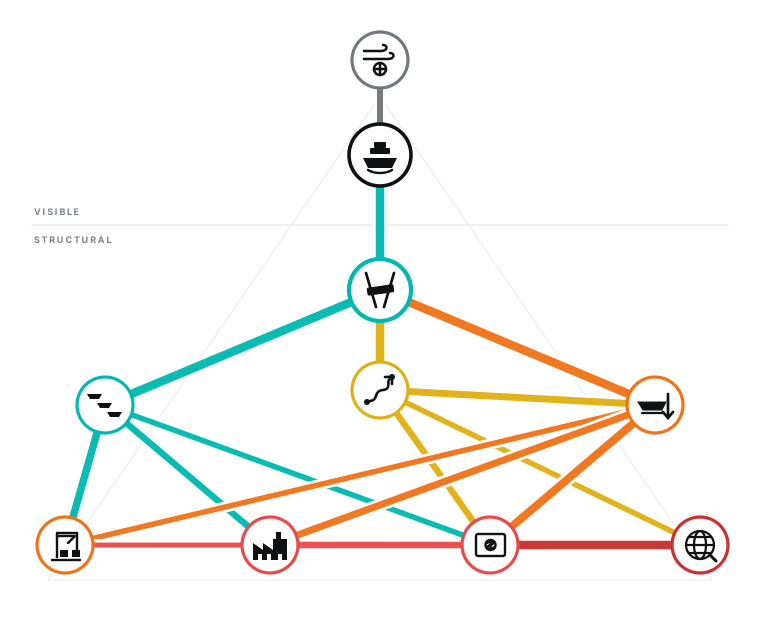
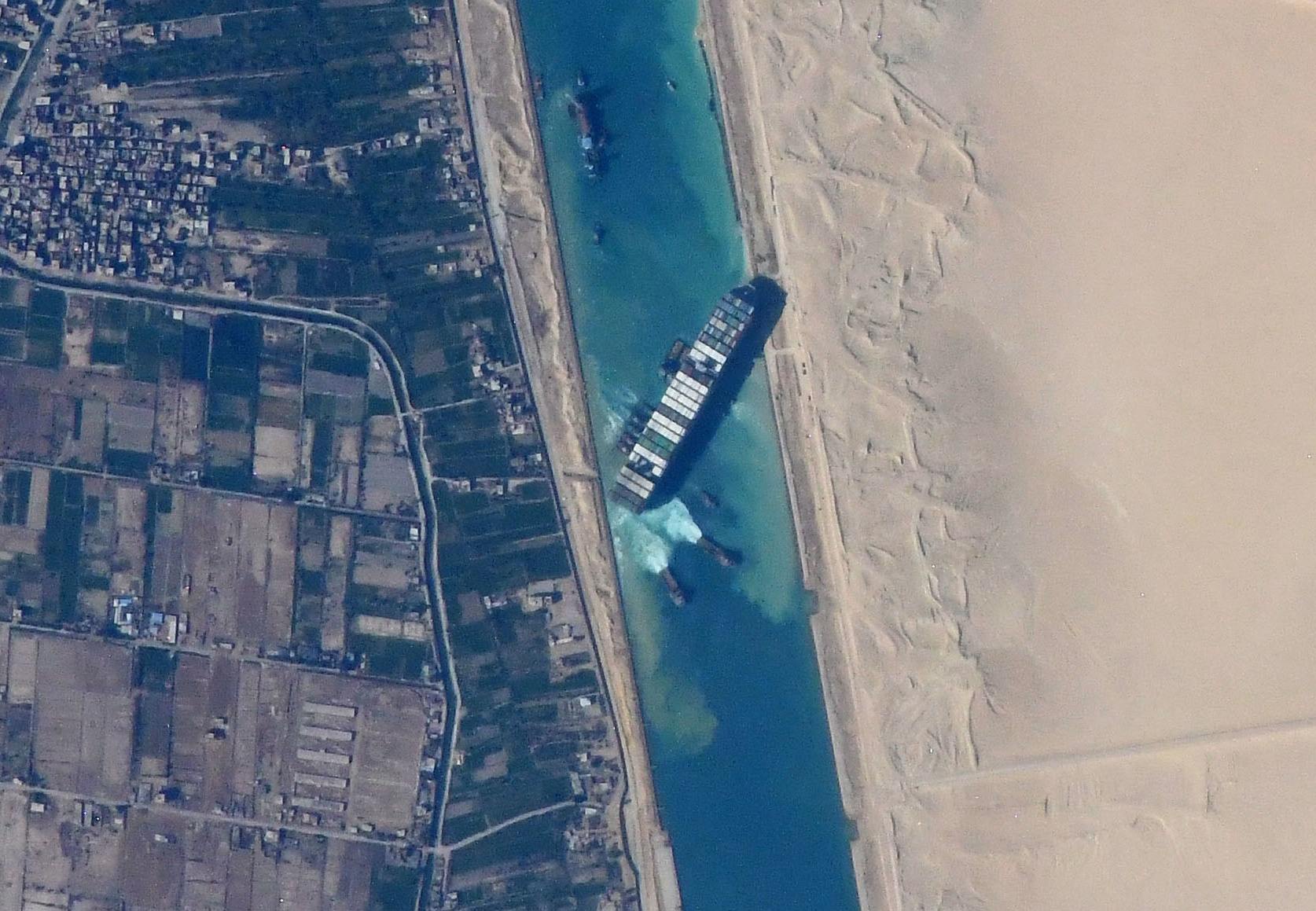
The ship was local. The dependency was global.
In March 2021 the Ever Given blocked the Suez Canal. Hundreds of vessels accumulated around one of the world's most consequential maritime corridors. The visible problem was a ship. The systemic problem was the structure around it.
The ship triggered the disruption. The terrain determined how far it could travel.
Structural Intelligence separates the event from the structure that carried it. The blockage was visible; the dependency structure was the real exposure — propagating through vessel queues, schedules, insurance, inventories, ports and political attention.
Restoring the system is not the same as redesigning its fragility.
Different triggers · Same structural exposure · 2021 blockage → 2024 Red Sea avoidanceThe full case follows the same nine-part structure every DCGI structural case uses, from event to governance.
Open the structural caseThe world's hardest problems don't stay in their category.
A consequential problem is one whose effects do not remain where the problem begins. Its consequences propagate across systems, dependencies and time — often producing second- and third-order effects larger than the initiating event itself.
- Climate
- Water
- Food
- Prices
- Stability
- Cyber
- Operations
- Logistics
- Production
- War
- Energy
- Trade
- Inflation
- Fiscal pressure
- Minerals
- Manufacturing
- Defense
- Sovereignty
The initiating event changes. The sector changes. The causal propagation continues.
DCGI maps thirty of these globally, then asks which structural mechanisms they share.
Explore the Consequential Problems AtlasFrom a consequential problem to governed consequence.
Each capability answers one distinct question. Together they preserve the causal chain from what is happening to what should change — and who remains accountable afterwards.
Structural Intelligence Reveal the causal terrain
What is actually driving the system? 02Power Architecture Map capacity and dependency
What can actually move it? 03Future Space Map reachable trajectories
Where can the system actually go? 04Structural Leverage Find where change matters
Where does change matter most? 05Future Engineering Define how possibility should change
How should the option-space change? 06Causal Engineering Reshape the causal terrain
What must change in the structure? 07Dynamic Causal Governance Govern action, adaptation and learning
What happens after intervention?Structural Intelligence reveals the causal terrain. Causal Engineering reshapes it. Dynamic Causal Governance governs what emerges from it.
Each capability has its own public page, with the research questions it owns and the limits of what it can establish.
Explore the capability architectureFrom fragmented evidence to an inspectable causal terrain.
The Structural Intelligence Framework turns evidence, relationships, mechanisms, constraints and uncertainty into a structured representation of what is actually driving a consequential system.
A graph is not proof of causality.
Causal hypotheses can be represented before every relationship is formally identified — but their epistemic status stays explicit and inspectable.
Prediction asks whether the same event will happen again. Structural Intelligence asks what happens whenever this dependency becomes unavailable — regardless of the trigger.
Future Engineering decides how that option-space should change. Causal Engineering performs the structural intervention required to produce it.
Explore Future EngineeringOne structural field. Three ways to read it.
Explore the potential of Structural Intelligence through an abstract demonstration: follow relationships, read the composition of power and locate candidate points of leverage.
- 01Read the relationships. See how a field connects factors rather than treating each factor in isolation.
- 02Distinguish the question. A geometry lens asks how factors connect; a spectral lens asks how power is expressed.
- 03Look for leverage. Highlight candidate points for closer analysis, not automatic prescriptions for action.
- 04Keep the boundary visible. The drawing illustrates analytical potential; it is not empirical evidence or a validated model.
- 05Go deeper. Examine applied studies and the Causal Sandbox capability to understand the next level of analysis.
Experiment with causality before experimenting with reality.
Changing the lens changes what you notice in the same abstract field. The demonstration makes the approach tangible; a real decision requires evidence, tested relationships and an explicit model boundary.
What do you actually receive?
DCG does not end in a recommendation slide. It produces an inspectable operating package connecting evidence, options, authority, intervention and learning.
Causal Atlas
A structured representation of what is driving the system.
Power Architecture
Where capability, dependency, influence and fragility reside.
Structural State
The current causal configuration of the system.
Future Space
The trajectories that remain reachable under current conditions.
Leverage Map
Where bounded intervention can produce disproportionate effect.
Future Engineering Portfolio
Strategic options for changing future reachability.
Causal Intervention Design
The structures, constraints and flows that would need to change.
Governance Frame
Authority, evidence, reversibility, monitoring and adaptation.
These outputs form a decision package. The Structural Intelligence Pilot defines the agreed scope, evidence and deliverables for one consequential problem.
See the PilotDifferent problems can share a structural pattern.
The provisional Consequential Problems Atlas asks which dependencies, bottlenecks and feedback patterns recur across thirty research questions. It is an agenda for inquiry, not a completed empirical dataset.
Follow the approach into applied work.
Real-world cases, validation benchmarks, experiments and applied studies have different epistemic roles. Each public object states what it can — and cannot — establish.
DCG Causal Sandbox
A structural laboratory for examining intervention, feedback and causal lineage. Explore the approach through real interface examples.
Cartel Systems
What changes when the intervention target moves from actor to regenerative structure. Violence is the visible event; structural dominance is the hidden geometry — and leadership removal can be tactically successful and structurally incomplete.
Governing 2071
How structural dependencies and power shape sovereign option-space across decades. Connectivity is both strategic advantage and exposure surface — and the response is not isolation, but controllable interdependence.
Talent vs Luck × DCG
How structural position affects future accessibility.
DCG Intelligence
Can DCG reproduce and then challenge an established causal estimate under explicit scope?
Suez Canal
How a local disruption became systemic — and what the surrounding terrain did with it.
Digital Leash
How constraints, dependencies and execution authority can shape AI agency.
Suez — I understand the idea.
Proposition 99 — I see scientific discipline.
Talent vs Luck — I see future space.
Cartel — I see structural regeneration.
Governing 2071 — I see strategic range.
Applied Work brings together capability demonstrations, field studies, experiments and research releases, with each format clearly identified.
Explore all Applied WorkDCG explains the architecture. Darovel turns it into an instrument.
Darovel is the operational environment that turns Structural Intelligence, Power Architecture, Future Engineering and Dynamic Causal Governance into inspectable decision capability — so the model stays alive after the report ends.
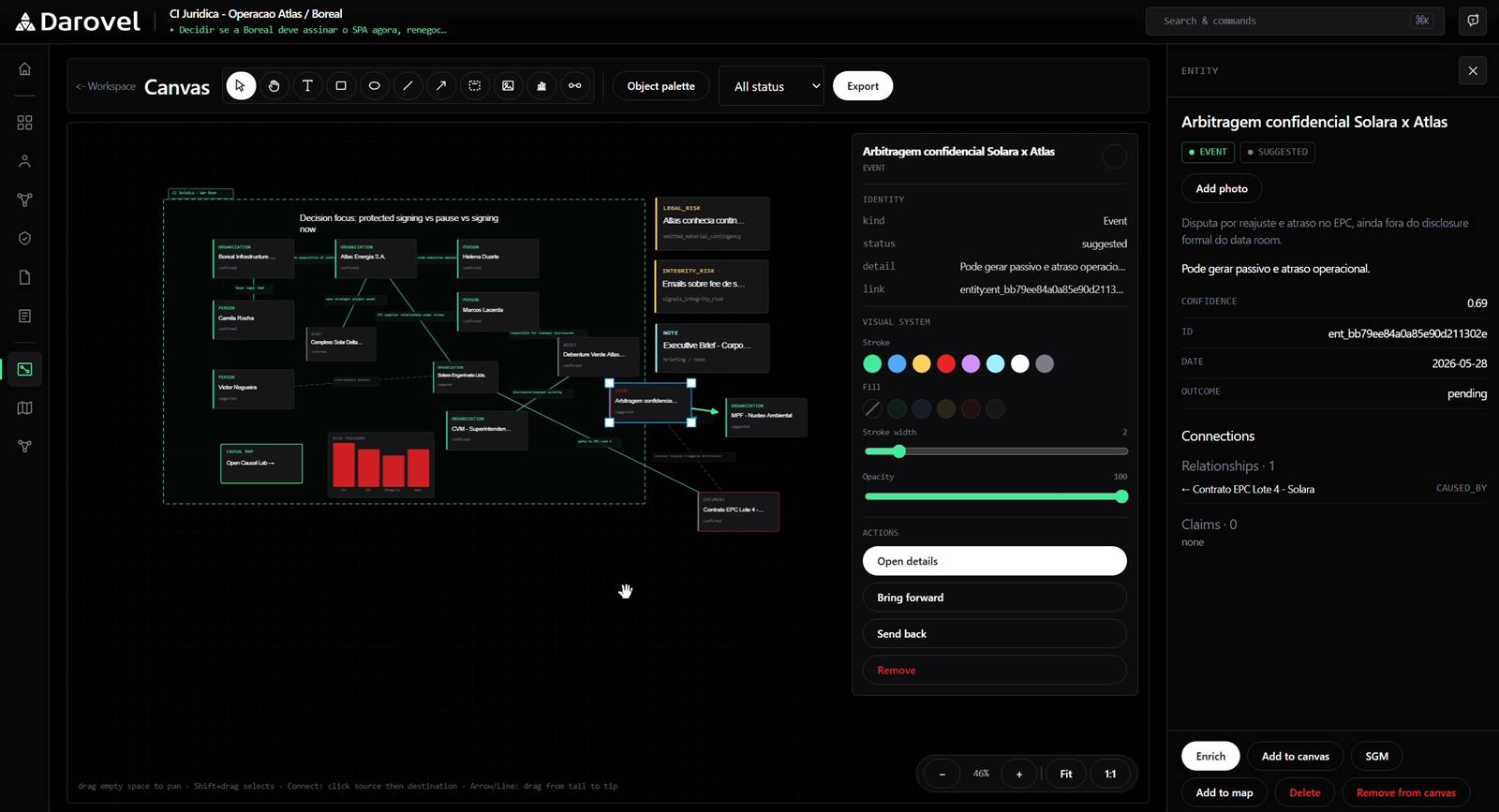
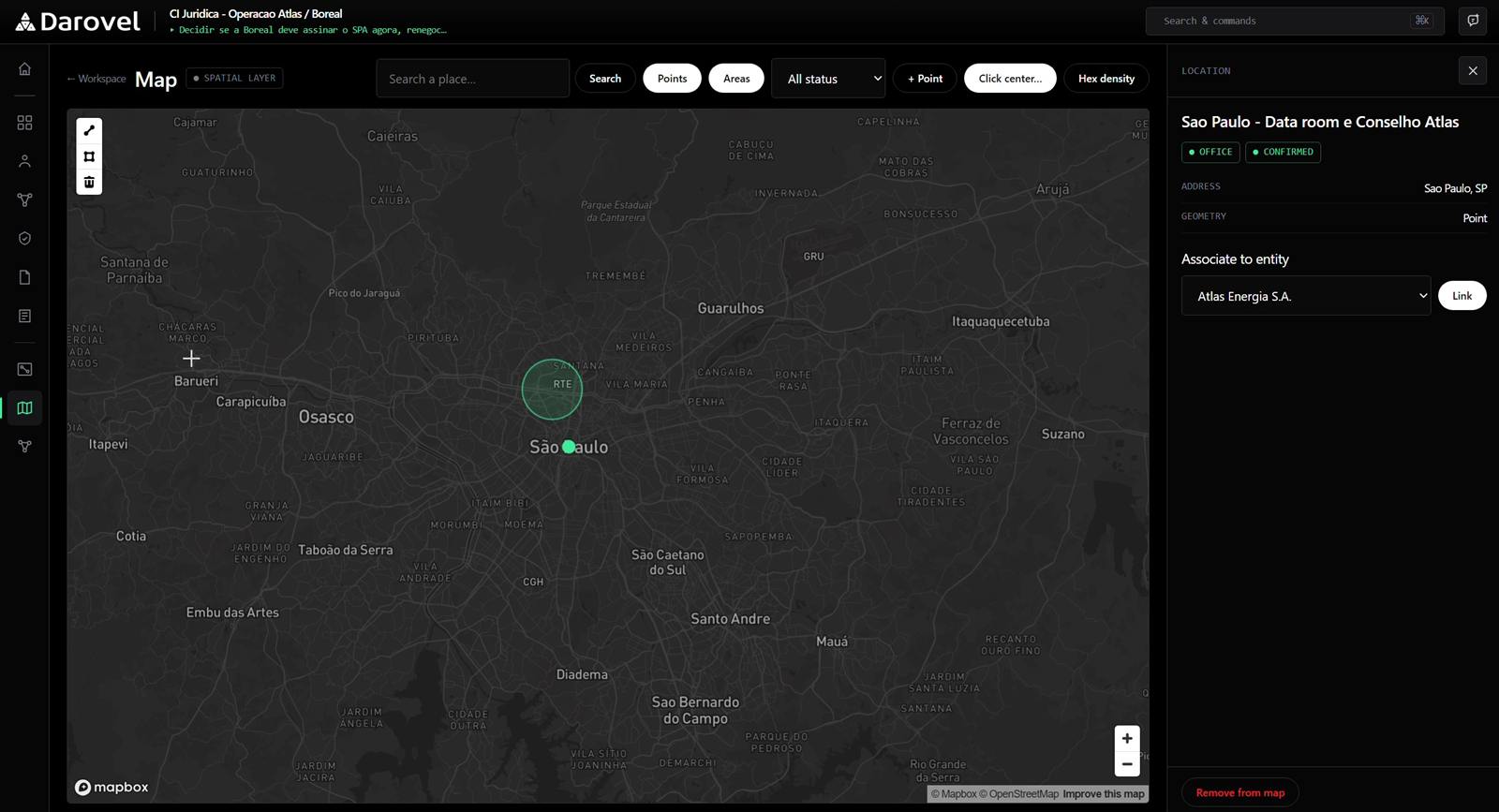
Darovel
Evidence, causal terrain, future options, power architecture and decision lineage — connected as one instrument. Map causality. Engineer the trajectory.
Explore DarovelK-Atoms ↗
Portable knowledge for humans and machines — exploring how context, data, code, provenance and identity can move together across Human–AI systems.
Explore K-AtomsWhere structural blindness carries disproportionate cost.
The method travels across domains because it models causal regimes — not sector labels.
Defense & Geopolitics
Map the architecture that sustains an adversary's ability to act.
02Logistics & Chokepoints
Where dependency becomes consequence.
03Critical Infrastructure
Which local failures become systemic failures.
04Cyber & Digital Dependency
Cyber consequence rarely ends inside the compromised system.
05Energy & Critical Resources
Resources constrain option-space.
06Sovereign Resilience
Sovereignty is the set of decisions a state can still make.
07Enterprise Strategic Systems
Stop optimising symptoms generated by deeper structures.
Each domain has its own structural questions, priority cases and intervention families.
See all applicationsDCG does not replace these disciplines. It connects them.
Analytics, forecasting and causal inference each answer a different question well. DCG connects their insights inside an adaptive structural, intervention and governance architecture.
| Approach | Core question |
|---|---|
| Analytics | What happened? |
| Forecasting | What may happen? |
| Risk management | What could hurt us? |
| Causal inference | What changes if X changes? |
| Scenario planning | Which futures should we imagine? |
| Systems thinking | What interactions and feedback matter? |
| Structural Intelligence | What is actually driving the system? |
| Power Architecture | What can actually move it? |
| Future Space | Which trajectories remain reachable? |
| Future Engineering | How should that option-space change? |
| Causal Engineering | What must change in the causal terrain? |
| Dynamic Causal Governance | How do we govern what emerges afterward? |
DCG is not another way to generate an answer. It is an architecture for governing what an answer sets in motion.
What is DCG
Structural Dominance
Governing the Chaos of Power, Decisions and Futures — a book by Regy Andrade.
Power is not merely the ability to act. It is the ability to shape the conditions under which others act.
The book explores questions at the heart of DCGI’s research: how dependencies, constraints, incentives, resources and narratives shape the futures that remain accessible—and where intervention can change the conditions producing an outcome.
- Structural Dominance
- The strategic thesis
- DCG
- The governance architecture
- Darovel
- The operational instrument
Bring us the decision your current tools cannot hold together.
Start with one consequential problem. We reveal its causal terrain, map its Power Architecture, identify its reachable future-space, locate structural leverage and show what must change to produce a different trajectory.
- 01Decision frame — the consequential question, made explicit
- 02Evidence ledger — what is observed, reported, derived, contested
- 03Causal atlas — dependency and fragility, mapped
- 04Power architecture — who can produce consequence
- 05Future space — what remains reachable, and from where
- 06Leverage map — where bounded change matters most
- 07Intervention portfolio — sequencing, buffers, counterfactual branches
- 08Decision contract — authority, review gates, monitoring signals
- 09Monitoring signals — what must change and when to revise